The Invisible System Keeping High-Potential Teams Stuck
- Valerie McLean
- Mar 30
- 5 min read

I've been watching a team self-destruct in real-time.
Not because they lack talent - they won a national trophy just ten months ago. Not because they lack resources - the training facilities, sports science, and tactical analysis are all world-class. Not because they lack ambition - the leadership keeps making changes, bringing in new people, trying different approaches.
They're failing because of something invisible that no amount of new leadership can fix.
As a lifelong Aberdeen FC supporter, it's been painful to watch. Five permanent managers in less than four years. This season we're facing a potential relegation playoff - the same team that lifted the Scottish Cup at Hampden in May. Renewed hope followed by crushing disappointment, over and over.

But as someone who works with teams stuck in exactly this pattern - in corporate offices, social enterprises, and leadership teams - I recognise what I'm seeing. And it's not unique to football.
The Pattern Everyone Misses
In football, teams practise what they can control on the training pitch:
Set pieces - organised routines from dead ball situations
Shape and formation - how they'll set up on the pitch
Tactics - exploiting opponents' weaknesses through detailed analysis
All supported by physios, sports scientists, and position-specific coaching.
The technical work is there. The resources are there. The talent is there.
So what's missing?
Over this season I've listened to three different head coaches in post-match interviews - Jimmy Thelin, interim manager Peter Leven, and now Stephen Robinson. The language after defeats is remarkably consistent:
"Not good enough"
"I'm angry"
"I've told them some home truths"
"I expect a reaction"
"They didn't want it enough"
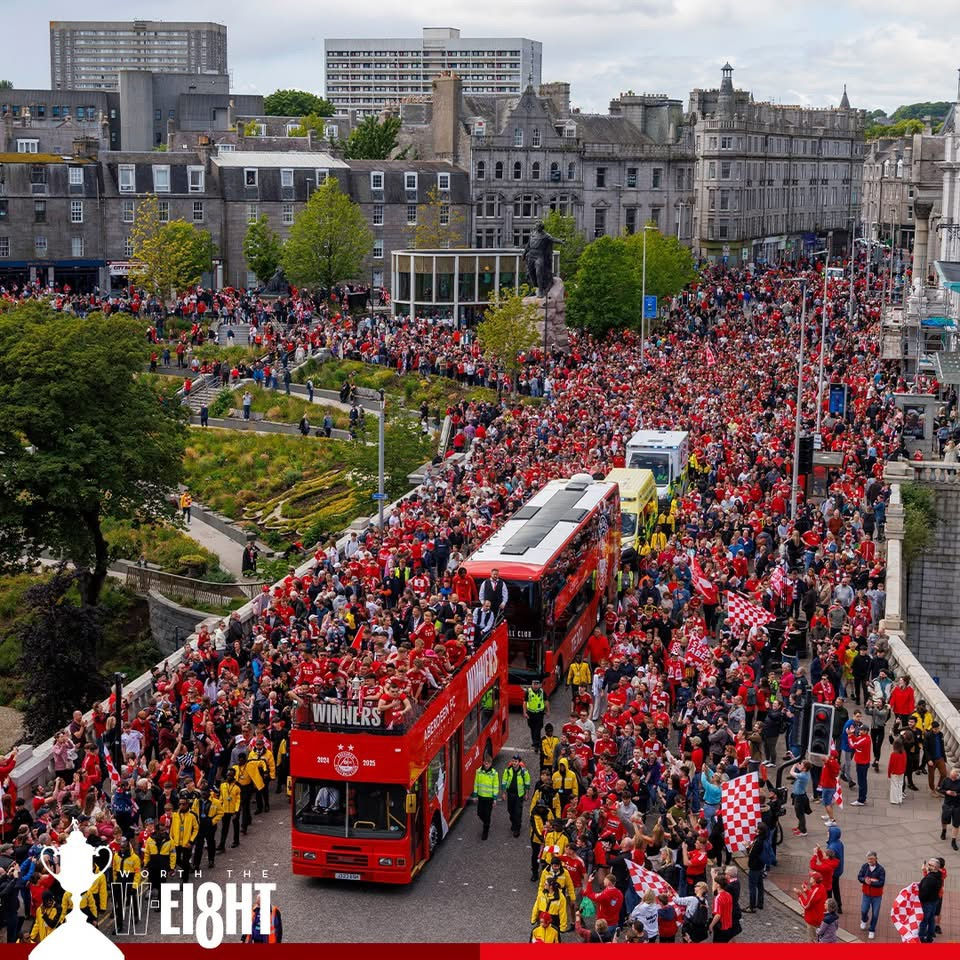
I've even heard they showed the team highlight reels from the cup win to "inspire" them - to help them do it for the fans.
Here's what breaks my heart as a team coach: I know exactly what's happening in that dressing room.
Those players ARE angry. They ARE frustrated. They know it's not good enough. They're probably more disappointed than anyone watching from the stands.
But when you're in survival mode - when the pattern of failure becomes the pattern you expect - anger and "home truths" don't create change. They deepen the spiral.
What Survival Mode Actually Looks Like
This is what I see in teams all the time - not just in football, but in organisations I work with: Talented people. Good intentions. Decent strategies.
And a completely broken relational system underneath it all.
The communication breakdowns that never get addressed. The accountability gaps where everyone assumes someone else will step up. The unspoken resentments that build after repeated disappointment. The exhaustion of trying again and again with the same result.
In football, they call this "mentality" or "character" - as if it's something individual players either have or don't have.
But it's not individual, it's systemic.
It's the invisible infrastructure that either enables collective desire or makes it impossible to sustain.
Think about complexity theory for a moment. Each football match is a beautiful example of a complex situation with enabling constraints - two groups of eleven people navigating an unpredictable, fast-moving scenario where individual decisions affect the whole.
You can drill tactics. You can practise set pieces. You can analyse opponents. But if the relational foundation is broken - if the team can't access a sustainable "we" - then on match day, when things get hard, they fragment. Eleven individuals trying to survive rather than one team trying to thrive.
And no amount of tactical brilliance can compensate for that.
The Response That Doesn't Work
I'm not criticising the Aberdeen coaches for responding this way - it's what everyone tries. It's what we're taught leadership looks like.
But none of this addresses what's actually broken.
What the players don't have is the relational infrastructure that would make "better" possible.
The communication pathways that turn individual effort into collective momentum. The accountability that's built in rather than imposed from outside. The clarity about what they're trying to do together and why each person's role matters.
The ability to surface what's actually going on - the fears, the frustrations, the patterns that keep everyone stuck - in a way that doesn't deepen the shame spiral.
These are skills. Learnable, practicable skills. But they're skills most teams don't even know they need.
Without that foundation, showing them highlight reels of their cup win just reminds them of something they could do once but can't reliably access. It doesn't show them HOW to get back there.
What Actually Works
Exposing the system to itself
In facilitated sessions where the team can surface what's actually going on. Not in a blame way. In a "here's what we're all experiencing" way.
The patterns that keep everyone stuck become visible - often for the first time.
The obvious/oblivious gaps where what's clear to one person is invisible to another. The unspoken assumptions about what "we" are trying to do. The moments where accountability breaks down not because people don't care, but because the structure makes it unclear whose job it is.
Building relational infrastructure
The invisible stuff that makes "we" possible instead of a collection of anxious individuals.
The communication pathways that work under pressure, not just in calm moments. The accountability that people pull toward rather than push away from. The shared understanding of what success actually looks like and why it matters beyond external pressure.
This isn't soft work. It's structural work. It's about rebuilding the foundation that makes everything else possible.
Starting with small, intentional changes
Not transformation, evolution.
One conversation at a time. One pattern interrupted at a time. Small changes that embed over time and become "how we do things here."
Because here's what I know from a decade of this work: teams don't move from survival to thriving through dramatic interventions. They do it through consistent, intentional, evolutionary change that addresses what's actually broken.
The Transferable Truth
This is the work I do with organisations - what I call moving from SURVIVE to THRIVE mode.
And it works across contexts because the underlying dynamics are the same whether you're on a football pitch or in a leadership team:
Teams in survival mode:
Show occasional brilliance they can't sustain
Know they're underperforming but can't break the pattern
Have good people trying hard with diminishing returns
Respond to pressure by fragmenting rather than pulling together
Cycle through solutions that address symptoms, not systems
Teams in thriving mode:
Have relational infrastructure that makes collective desire sustainable
Surface issues before they become crises
Build accountability in rather than imposing it from outside
Get stronger under pressure because the foundation is solid
Make evolutionary changes that stick
Aberdeen's situation isn't about tactics or talent. It's about a team that's lost the relational foundation that makes collective effort sustainable.
Until someone addresses that - until they rebuild what's underneath - no new manager will fix it. They'll get the same pattern with different people, over and over.
The Work That Matters

I don't particularly want to work in football - though as a lifelong supporter, watching this pattern repeat is genuinely painful, so I would work with Aberdeen!
The core of what I want to do in the world is with values-driven organisations where good people are burning out trying to hold things together. Where leaders know something fundamental is broken but keep getting sold tactical solutions to systemic problems.
But if you're watching your own team stuck in this pattern - talented people underperforming, good intentions falling short, the same problems cycling through no matter what you try - the problem probably isn't your strategy.
It's not your people.
It's the invisible system underneath.
And that CAN be fixed.
It just requires doing something different from what everyone else tries. It requires addressing the relational infrastructure that either enables sustainable collective performance - or makes it impossible.
That's the work that actually changes things.


